
 English
  日本語
日本語  Français
  русский
  Português
  Español
  عربى
عربى 
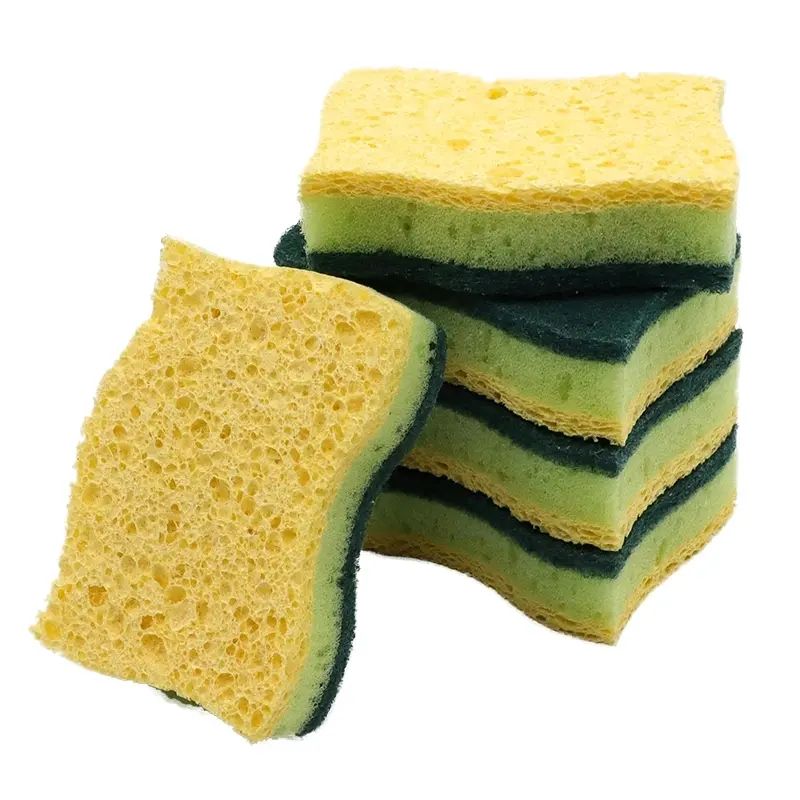
Compressed cellulose makeup powder puff cleaning cream sponges are designed for users who want a soft, absorbent, natural, and practical cleaning material for beauty care, personal cleansing, household wiping, kitchen use, car washing, and light industrial surface cleaning. Made primarily from natural cellulose pulp, this type of sponge combines the convenience of compressed packaging with the performance of a full-size cleaning sponge after hydration. It is lightweight when dry, expands rapidly in water, becomes soft and elastic after absorbing moisture, and can be dried for repeated use.
This article introduces the product’s features, practical uses, competitive advantages, material benefits, manufacturing principles, quality-control strengths, customization options, and common buyer questions. It also explains why compressed cellulose sponges are increasingly valued by beauty brands, cleaning product distributors, household goods retailers, promotional product suppliers, and private-label buyers seeking a natural alternative to conventional synthetic puff sponges.
Compressed cellulose makeup powder puff cleaning cream sponge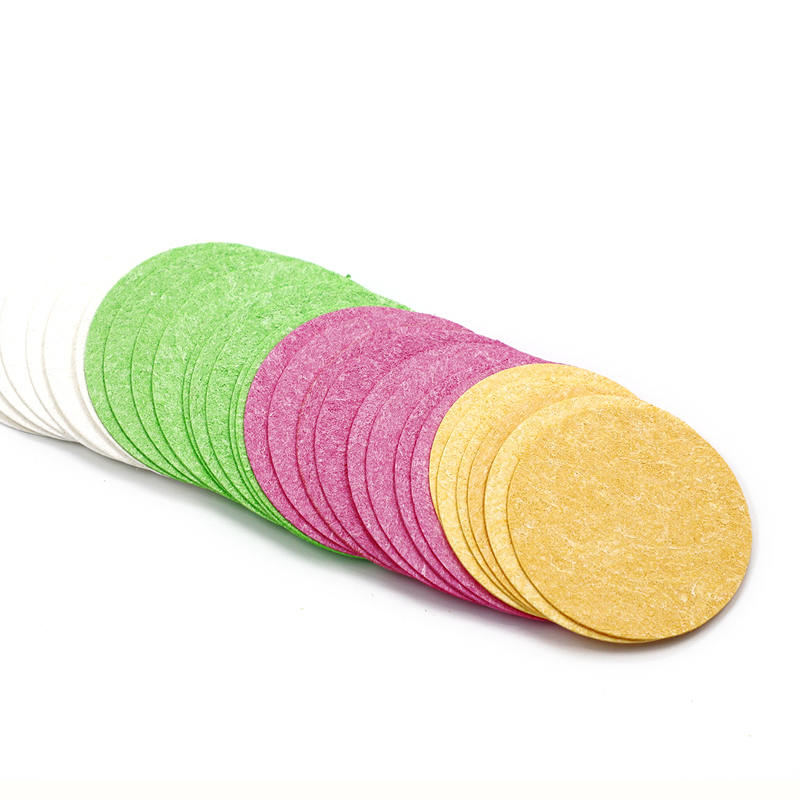
Product Overview
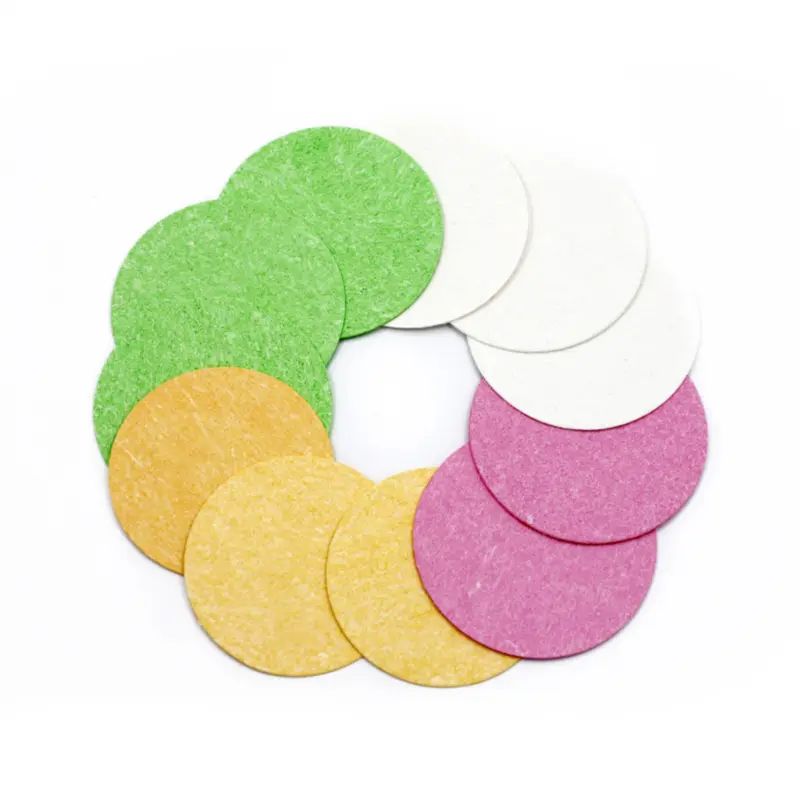
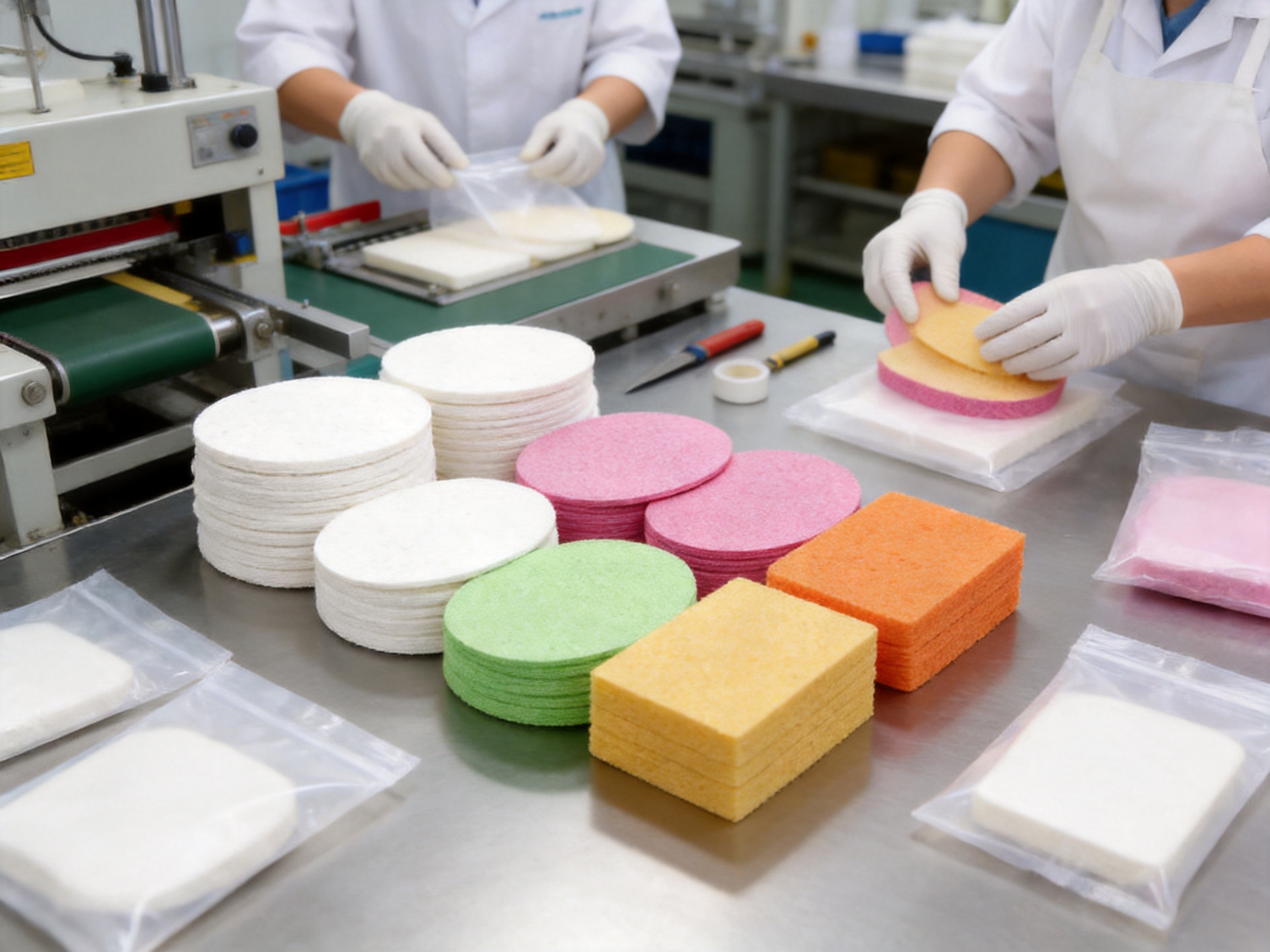
The compressed cellulose makeup powder puff cleaning cream sponge is a compact sponge product made from cellulose-based material. In its dry compressed form, it occupies little storage space and is easy to transport, package, and distribute. When placed in water, it quickly absorbs moisture, swells, expands, and turns into a soft, elastic sponge suitable for gentle wiping and cleansing.
The product is especially useful in beauty and personal care applications because it contains no harsh chemical fiber texture and is gentle on the skin when properly hydrated. It can help remove facial smears, makeup residue, cleansing cream, skin care residue, and dirt from pores. Its natural cellulose structure allows it to hold water and create rich foam when used with a small amount of cleanser, making it a practical tool for daily face cleansing and body care.
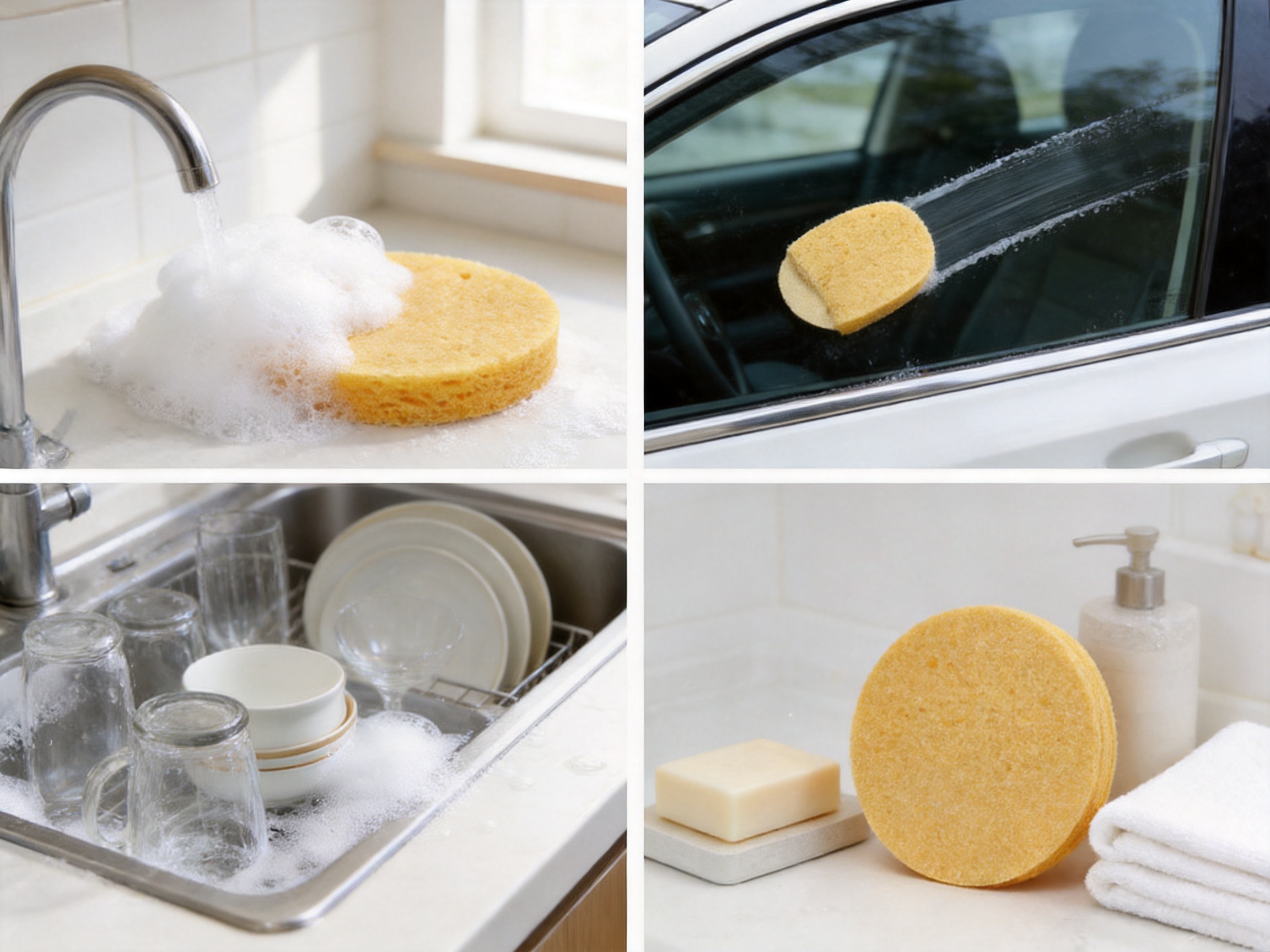
Beyond beauty use, the sponge can also be used for bath cleansing, kitchen utensil washing, ceramic and glass cleaning, car body wiping, car window cleaning, and the surface wiping of machinery or equipment. Its absorbent, soft, and scratch-conscious texture makes it suitable for multiple cleaning environments where both cleaning efficiency and surface protection are important.
Key Product Characteristics
The most important characteristics of the compressed cellulose sponge are natural material, high water absorption, rapid expansion, softness after wetting, hardening after drying, elasticity, and practical reusability. Unlike many synthetic puff sponges on the market, cellulose sponges are based on plant-derived pulp. This makes them attractive to buyers looking for more natural cleaning and personal care products.
When dry, the sponge becomes firm and compact. This dry hardness helps reduce damp conditions that can encourage microbial growth. After use, users can rinse the sponge, avoid twisting it aggressively, and allow it to dry in a ventilated place. When needed again, the sponge can be placed in water to return to a soft state.
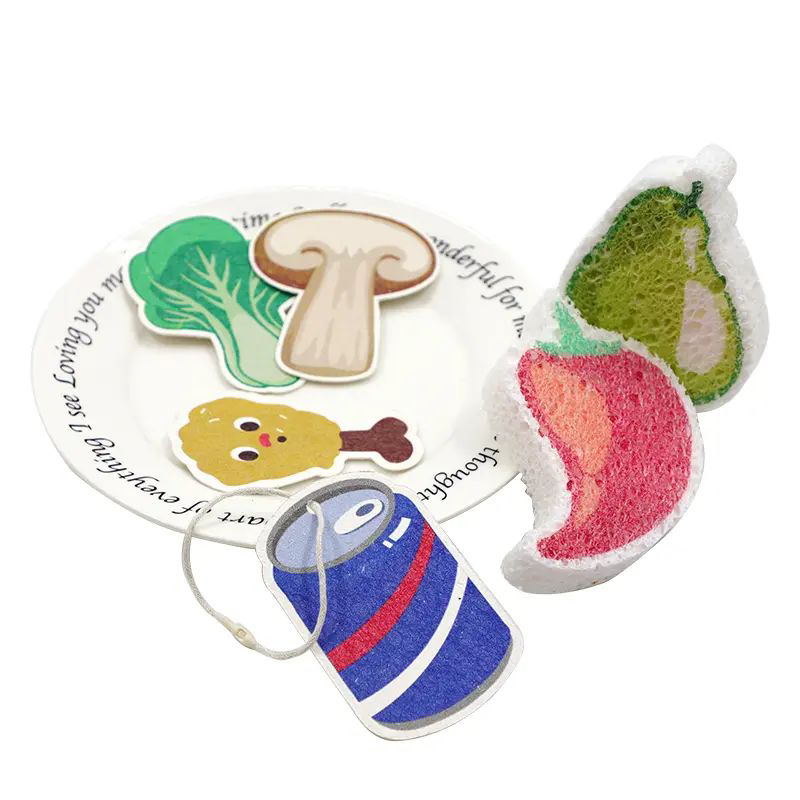
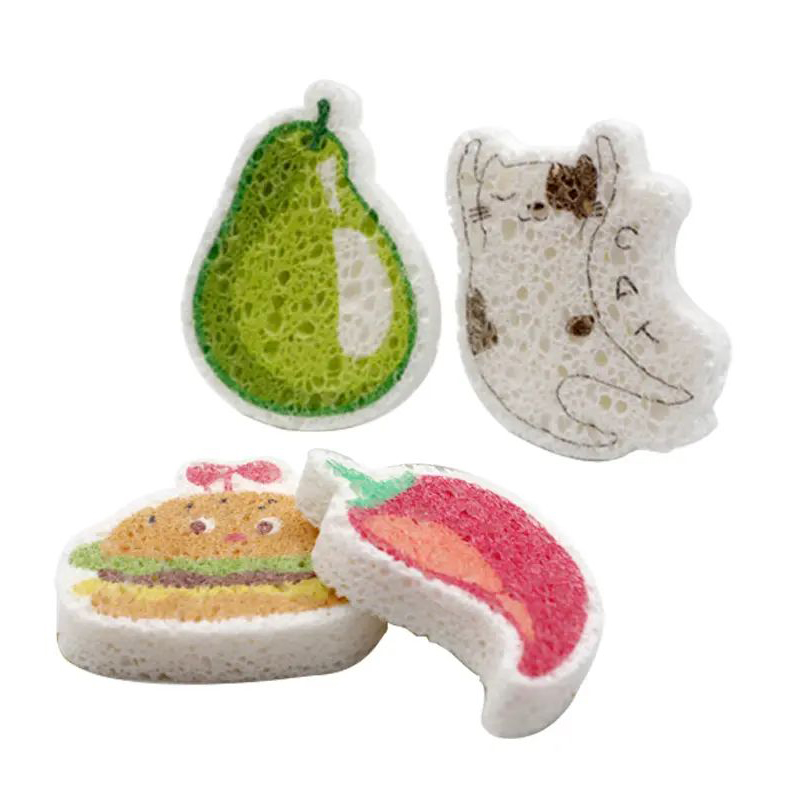
The sponge can be customized in size and shape, allowing it to serve different market segments. Small round or oval shapes may be used for facial cleansing and makeup puff cleaning. Larger rectangular or specialty shapes may be used for bath, kitchen, automobile, or promotional applications. Custom compression thickness, expansion size, packaging style, color tone, and branding options can be developed according to buyer requirements.
Basic Specification Table
Product Type |
Compressed cellulose makeup powder puff cleaning cream sponge |
Main Material |
Natural cellulose pulp-based sponge material |
Primary Feature |
Compressed when dry, soft and expanded after absorbing water |
Typical Applications |
Makeup puff cleaning, face cleansing, bath use, kitchen cleaning, car washing, glass wiping, light machinery wiping |
Texture After Wetting |
Soft, elastic, absorbent, and gentle for surface contact |
Texture After Drying |
Firm and compact, helping reduce long-term wet storage |
Size |
Custom size available |
Customization |
Shape, thickness, compression level, packaging, and private-label options |
Market Position |
Natural, practical, multi-purpose sponge for beauty, household, and cleaning product channels |
Why Cellulose Matters
Cellulose is one of the most abundant natural polymers on earth. It is derived from plant fibers and is widely used in paper, textiles, filtration, hygiene products, and sponge materials. In sponge form, cellulose provides a distinctive combination of absorbency, flexibility, and natural origin. For customers who are concerned about direct skin contact, the cellulose base gives the product a strong advantage over low-grade synthetic sponge alternatives.
A cellulose sponge absorbs water efficiently because its porous structure allows moisture to enter quickly. This makes the sponge expand rapidly from its compressed form and become ready for use within a short time. The same porous structure also allows cleanser or detergent to distribute across the sponge surface, producing rich foam and supporting more complete removal of residues.
From a user-experience perspective, the material feels natural, soft, and comfortable after hydration. It does not have the harsh abrasive feel associated with some rough cleaning pads. For facial cleansing, makeup sponge washing, and delicate wiping, this is an important advantage.
Advantages Over Conventional Synthetic Puff Sponges
Many conventional makeup puff sponges are made from synthetic foam materials. These materials can be lightweight and inexpensive, but they may not provide the same natural appeal, absorbency, or dry-hard storage characteristics as cellulose sponges. The compressed cellulose sponge offers several advantages for buyers seeking differentiation in a competitive market.
First, it uses a natural cellulose-based material rather than relying solely on chemical fiber textures. This supports a softer and more skin-friendly product image, particularly for beauty and personal care categories.
Second, it expands after absorbing water, creating a memorable product experience. Consumers can receive a thin compressed sponge and watch it grow into a usable cleaning sponge. This transformation is useful for retail display, promotional packaging, travel kits, beauty gift sets, and compact e-commerce shipping.
Third, it dries into a harder form after use. A sponge that remains wet for too long can become unpleasant or unhygienic. The cellulose sponge’s ability to dry and harden helps discourage long-term dampness, especially when users rinse and air-dry it properly.
Fourth, it offers broader application flexibility. While many puff sponges are limited to makeup application or removal, the compressed cellulose sponge can be used for makeup puff cleaning, face washing, body cleansing, dishwashing, glass cleaning, car washing, and general wiping tasks.
Fifth, it supports natural product positioning. After use, cellulose-based materials can degrade under suitable environmental conditions more readily than many conventional synthetic foam products. This is increasingly important for brands and distributors responding to customer demand for more responsible cleaning materials.
Advantages Over Ordinary Household Sponges
Ordinary household sponges are often bulky, difficult to store in large quantities, and not always suited to facial or personal care use. The compressed cellulose sponge addresses these limitations. Because it is compressed, it can be packed in flat pouches, cards, jars, travel bags, cosmetic kits, or compact retail boxes. This saves warehouse space and reduces shipping volume compared with fully expanded sponge products.
Its soft hydrated texture makes it more versatile than many rough kitchen sponges. A household sponge may be too coarse for cosmetic cleaning or skin care routines, while a compressed cellulose sponge can be made gentle enough for face and body applications. At the same time, it can still perform effectively in light household cleaning because it absorbs water and distributes foam well.
For distributors, this combination is commercially valuable. One product can be positioned in beauty, bath, kitchen, car care, promotional, and travel categories. A brand can use different sizes and packaging styles to create multiple SKUs from the same core material platform.
Beauty and Skin Care Applications
In beauty routines, cleanliness and gentleness are equally important. A makeup puff, cosmetic sponge, or cleansing cream applicator may accumulate oils, skin care residue, foundation, powder, sunscreen, and other deposits over time. If not cleaned properly, these residues can affect product performance and user comfort. A compressed cellulose sponge can help clean makeup tools and remove facial smears in a gentle, thorough way.
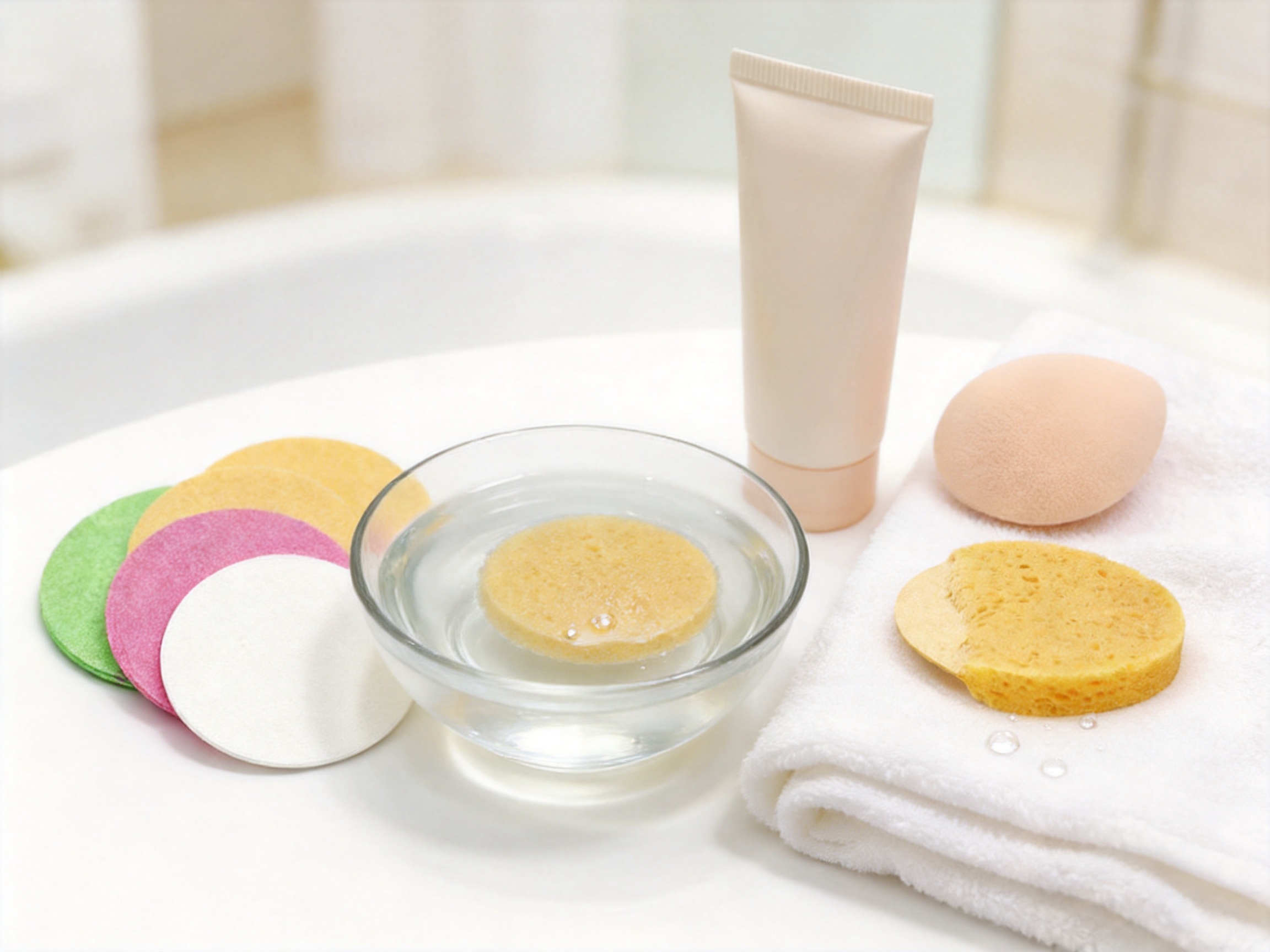
After absorbing water, the sponge becomes soft and elastic. Users can apply a small amount of facial cleanser or mild soap to the sponge and create foam. The sponge can then be used to wipe the face gently or clean cosmetic tools. Its absorbent structure helps lift residues while avoiding unnecessary harshness.
For personal care brands, the product can be offered as a makeup puff cleaning sponge, facial cleansing sponge, cleansing cream removal sponge, spa sponge, or travel beauty sponge. It is especially suitable for consumers who prefer simple, practical, and natural-feeling accessories rather than complicated tools.
Bath and Body Cleansing Applications
The sponge can also be used during bathing. When a small amount of body wash or bath lotion is applied to the hydrated sponge, it can produce foam and help clean the skin thoroughly. The soft texture is comfortable for daily body washing, while the absorbent structure helps spread cleanser across the skin.
Because the sponge dries after use, it is easy to store when handled correctly. Users should rinse away soap residue, gently squeeze out water without excessive twisting, and place the sponge in a ventilated area. This helps preserve the sponge’s structure and supports repeated use.
Bath product distributors can package the sponge with soaps, shower gels, travel bath kits, hotel amenities, spa sets, or wellness gift packs. Its compressed form is ideal for hospitality and travel because it takes up little space before use.
Kitchen Cleaning Applications
In the kitchen, the sponge can be used for washing utensils, ceramics, glassware, cups, plates, and general surfaces. It can create rich foam with a small amount of detergent, helping remove grease and food residue. Its soft texture is suitable for many surfaces that require careful handling.
However, as with any sponge product, proper application is important. For extremely burnt pots, heavy rust, or hardened deposits, a stronger scouring tool may be required. The cellulose sponge is best used where absorbency, foam generation, and gentle wiping are more important than aggressive abrasion.
For kitchen product lines, compressed cellulose sponges provide a compact and natural alternative to bulky synthetic sponges. They can be sold in multi-piece packs, eco-oriented cleaning kits, dishwashing sets, or refill packs.
Car Washing and Glass Wiping Applications
Car surfaces require careful cleaning because hard particles and rough materials may cause scratches. A hydrated cellulose sponge provides a soft wiping surface for removing dust, dirt, and light grime from car bodies and windows. It holds water well, helps distribute car wash solution, and can be rinsed during use.
For car washing, users should first rinse the vehicle surface to remove sand or hard debris. The sponge should be kept clean and well hydrated. When used properly, it can wipe the body and glass surfaces without unnecessary scratching. It is suitable for car care kits, travel cleaning packs, and compact emergency cleaning sets.
Automotive distributors may appreciate the compressed format because it saves space in retail kits. A flat compressed sponge can be included with microfiber cloths, detailing towels, windshield wipes, or car wash solution samples.
Light Machinery and Surface Wiping
The sponge may also be used for wiping the surfaces of industrial or agricultural machinery. It can help remove dirt, oil stains, and dust from machine exteriors when used with suitable cleaning agents. Its absorbency allows it to hold cleaning liquid, while its soft structure supports controlled wiping.
This application is especially useful for routine maintenance, display cleaning, equipment preparation, and light-duty oil removal. For heavy industrial contamination, users should select a cleaning process suitable for the specific chemical and mechanical demands of the task.
Compression as a Commercial Advantage
Compression is one of the defining features of this product. A full-size sponge takes up space during transport and storage. By compressing the cellulose sponge into a compact form, manufacturers can reduce shipping volume, improve packaging efficiency, and make the product more attractive for e-commerce and retail distribution.
Compressed sponges are also visually interesting. The transformation from thin dry sheet to expanded soft sponge gives the product a sense of novelty. This is valuable for beauty brands, promotional campaigns, hotel amenities, children’s cleaning education kits, travel products, and gift sets.
Compression also supports hygiene-oriented packaging. Each sponge can be individually wrapped or sealed, helping protect it before use. Multi-piece sets can be produced in compact pouches, boxes, or blister packs depending on market positioning.
Softness and Elasticity After Water Absorption
A key performance factor is the sponge’s ability to recover softness and elasticity after water absorption. The product is designed to swell quickly in water and become comfortable to use. This rapid expansion is important because consumers expect convenience. A sponge that takes too long to soften may be frustrating, especially in daily beauty routines.
The elastic structure allows the sponge to bend, compress, and recover during wiping. This makes it easier to follow facial contours, clean curved utensils, wipe glassware, or wash car surfaces. Elasticity also improves user comfort because the sponge feels responsive rather than rigid when wet.
Absorbency and Foam Generation
Absorbency is central to the value of cellulose sponges. The product can take up water quickly and hold cleaning liquid within its porous structure. This helps users clean more efficiently with less repeated dipping. When combined with a small amount of detergent, body wash, or facial cleanser, the sponge can generate rich foam.
Foam improves the cleaning experience by spreading the detergent evenly, lifting residues, and reducing friction between the sponge and the surface. In beauty care, foam can help remove facial oil and makeup residue. In kitchen cleaning, foam helps loosen grease. In car washing, foam helps suspend dirt so it can be rinsed away.
Drying Behavior and Hygiene Considerations
After use, the sponge should be rinsed and dried. The material becomes firmer as it dries, which reduces the extended damp softness that often makes sponges unpleasant. This dry-hard characteristic is one of the product’s practical advantages.
Users should not leave the sponge soaked in dirty water. They should rinse it thoroughly, press out excess water gently, and place it in an airy location. The sponge should be grasped and squeezed rather than twisted harshly. Excessive twisting, folding while dry, or tearing may damage the structure.
Good user instructions are important for brands selling this product. Packaging can include simple care guidance: soak before first use, rinse after use, squeeze gently, air dry, do not fold or tear when dry, and replace when worn. Clear guidance improves customer satisfaction and product lifespan.
Natural Positioning and Environmental Appeal
Many buyers are looking for products that feel more natural and less dependent on conventional petroleum-based materials. A cellulose sponge made from natural pulp provides a strong environmental story. Under appropriate disposal and environmental conditions, cellulose-based materials are more degradable than many synthetic foams. When combusted under controlled conditions, cellulose does not have the same synthetic polymer profile as many plastic foams, although responsible disposal should always follow local regulations.
The product’s natural positioning is especially useful for beauty brands, wellness retailers, household product companies, and distributors serving environmentally aware customers. It can be presented as a simple, practical, natural cellulose sponge that reduces reliance on bulky synthetic cleaning accessories.
Manufacturing Strength: Material Selection
High-quality compressed cellulose sponges begin with careful raw material selection. The cellulose pulp must be suitable for sponge formation, absorption, expansion, and softness. Consistency in raw material quality affects the sponge’s final thickness, compression recovery, elasticity, and hand feel.
An experienced manufacturer evaluates material purity, fiber performance, moisture behavior, and processing compatibility. Stable raw material sourcing helps ensure that each batch performs consistently. This is especially important for international buyers who require reliable quality across repeated orders.
Natural pulp-based production requires attention to formulation and process control. The sponge must be porous enough to absorb water quickly, durable enough for repeated use, and soft enough for skin-contact applications after hydration. Balancing these requirements is a manufacturing strength that separates experienced sponge producers from ordinary suppliers.
Manufacturing Strength: Sponge Formation and Porous Structure Control
The internal porous structure determines how the sponge absorbs water, expands, produces foam, and wipes surfaces. If the pores are too small or inconsistent, the sponge may absorb slowly or feel dense. If the structure is too weak, the sponge may tear easily. A professional production process controls porosity, density, and resilience to achieve the desired performance.
For makeup and facial cleansing applications, the sponge must be soft and gentle. For kitchen or car cleaning applications, it may need a slightly different balance of thickness, durability, and water-holding capacity. Advanced manufacturing capability allows the producer to adapt sponge structure to target markets.
Manufacturing Strength: Cutting, Shaping, and Custom Size Capability
Custom size is a major advantage for buyers. Different sales channels require different dimensions. A beauty brand may need small circular or oval sponges. A household cleaning brand may prefer rectangular sponges. A promotional product customer may request custom shapes that fit a themed campaign. A hotel amenity supplier may need a compact size for travel kits.
Accurate cutting and shaping help create clean edges, consistent dimensions, and attractive finished products. Experienced production teams can support custom molds, cutting tools, thickness requirements, and packaging layouts. This flexibility allows buyers to build unique product lines rather than buying generic stock items.
Manufacturing Strength: Compression Process
The compression process must be controlled carefully. The sponge needs to be compressed enough to reduce volume, but not so aggressively that its expansion recovery is damaged. Professional compression control ensures that the sponge remains compact during packaging and expands properly when soaked.
Uniform compression also improves packaging appearance. A batch of sponges should look consistent in thickness, shape, and surface finish. This is important for retail products where visual quality influences customer perception.
Manufacturing Strength: Drying and Moisture Control
Moisture control is essential in sponge manufacturing. The sponge must be dried to an appropriate level before packing. If it contains too much residual moisture, packaging stability and storage quality can be affected. If it is overdried or processed improperly, product feel and expansion performance may suffer.
Advanced drying practices help preserve the sponge’s structure while preparing it for long-distance shipping and storage. For international orders, moisture control is particularly important because products may experience extended transit times and variable climate conditions.
Manufacturing Strength: Quality Inspection
Quality inspection should cover appearance, size, thickness, compression recovery, water absorption, expansion speed, softness, edge quality, packaging quality, and cleanliness. A strong supplier does not rely only on final inspection. Instead, quality checks are integrated throughout production, from raw material preparation to finished packing.
ISO 9001 quality management experience supports systematic control of production procedures, documentation, corrective actions, and customer requirements. BSCI audit experience reflects attention to responsible business practices and supply chain expectations. These strengths are important for international buyers who need dependable production partners.
Company Manufacturing Capability and Export Strength
Yancheng Oukai Sponge Products Co., Ltd. was established in 2009 and operates from Dafeng District, Yancheng City, Jiangsu Province. The production base covers about 10,000 square meters and benefits from convenient transportation, with access to airport and port logistics. This location supports both domestic distribution and international shipping.
The company has developed a broad sponge product portfolio, including polyester sponges, polyether sponges, flame-retardant sponges, filtration sponges, sound-absorbing sponges, anti-static sponges, seaweed and coral sponges, slow rebound sponges, insulation sponges, cleaning sponges, packing sponges, melamine sponges, cellulose sponges, cellulose sponge cloths, household cleaning products, car cleaning products, and personal care products.
This wide production experience is a competitive advantage. A supplier familiar with many sponge materials and applications can better understand customer requirements, recommend suitable material structures, and solve product-development challenges. The company’s experience with more than 200 sponge types and thousands of sponge products shows strong engineering and customization capability.
The company’s products are sold to many international markets, including countries in Asia, Europe, North America, South America, Oceania, and the Middle East. Export experience helps the manufacturer understand packaging standards, documentation needs, quality expectations, and market differences. For buyers sourcing compressed cellulose sponges, this experience reduces communication risk and supports smoother procurement.
Why Professional Manufacturing Matters for Buyers
At first glance, a sponge may seem simple. However, buyers who source sponge products at scale understand that consistency is critical. A product that expands well in one batch but poorly in another can damage customer trust. A sponge that feels soft in samples but rough in mass production can create complaints. A compressed sponge that loses shape in packaging can reduce retail appeal.
Professional manufacturing helps avoid these problems. Controlled material selection, stable production processes, accurate cutting, reliable drying, compression control, and inspection procedures all contribute to consistent quality. For private-label buyers, consistent quality protects brand reputation.
A capable manufacturer can also support product development. Buyers may request different thicknesses, shapes, packaging styles, or performance characteristics. An experienced sponge factory can test samples, adjust specifications, and scale production after approval. This makes the supplier a development partner rather than only a commodity source.
Packaging and Private-Label Opportunities
The compressed cellulose sponge is well suited to private-label packaging. Because it is flat and compact before use, it can be packed in various formats. Individual sachets are suitable for hygiene-focused beauty products. Multi-piece pouches work well for household cleaning. Paper cards or slim boxes can be used for retail display. Gift kits can include the sponge with cleansers, soaps, microfiber cloths, or other cleaning accessories.
Private-label customers can customize package language, size instructions, application icons, care instructions, and brand positioning. The same product can be marketed as a makeup puff cleaning sponge, natural facial cleansing sponge, bath sponge, dishwashing sponge, car wash sponge, travel cleaning sponge, or multipurpose cellulose sponge.
Retailers can create product families by offering different shapes for different uses. For example, a small round sponge can be used for face care, a medium oval sponge for bath use, and a larger rectangle for kitchen or car cleaning. This strategy helps increase shelf presence while maintaining production efficiency.
Practical User Instructions
Clear user instructions improve product experience and reduce misuse. Before first use, the sponge should be placed in clean water until it fully expands and becomes soft. Users should not use the sponge on skin or delicate surfaces while it is still dry and hard.
For facial or makeup cleaning, users can add a small amount of mild cleanser, create foam, and wipe gently. For kitchen cleaning, dish detergent can be added and the sponge can be rinsed frequently. For car washing, the vehicle surface should first be rinsed to remove sand and hard particles. For glass or ceramic surfaces, users should ensure that the sponge is clean before wiping.
After use, the sponge should be rinsed thoroughly. Instead of twisting forcefully, users should squeeze it gently. It should then be placed in a ventilated area to dry. When dry, the sponge should not be folded or torn. To reuse it, place it in water again and allow it to soften.
Durability and Replacement
The sponge is reusable, but like all cleaning tools, it will wear over time. Its lifespan depends on usage frequency, cleaning chemicals, surface roughness, drying habits, and storage conditions. Facial cleansing use may be gentler and allow longer service life. Heavy kitchen or machinery cleaning may shorten lifespan.
Users should replace the sponge if it develops odor, visible damage, excessive tearing, poor expansion, or reduced cleaning performance. Brands can recommend replacement intervals according to the target use category. For beauty applications, more frequent replacement may be encouraged for hygiene reasons.
Market Applications for Distributors
Distributors can position the compressed cellulose sponge in several market channels. In beauty and cosmetics, it can be sold as a facial cleansing accessory or makeup tool cleaner. In personal care, it can be offered as a bath sponge or travel sponge. In household cleaning, it can be sold as a dishwashing or glass-cleaning sponge. In automotive care, it can be included in compact car wash kits. In promotional markets, it can be customized as a useful giveaway item.
The product’s low storage volume helps distributors manage inventory more efficiently. It is also suitable for online sales because compact packaging can reduce shipping complexity. For physical retail, compressed sponges can be displayed in small spaces, allowing more units per shelf.
Competitive Differentiation
The compressed cellulose sponge competes with synthetic puff sponges, ordinary kitchen sponges, microfiber cloths, melamine sponges, bath loofahs, and disposable wipes. Its strongest differentiation lies in the combination of natural material, compact compression, rapid expansion, absorbency, softness, and multi-purpose use.
Compared with disposable wipes, it is reusable and more substantial in hand feel. Compared with microfiber cloths, it holds more water and creates foam more easily. Compared with melamine sponges, it is softer and better suited for skin-contact and gentle cleaning uses. Compared with synthetic puff sponges, it has a stronger natural material story and a broader cleaning function. Compared with bulky bath sponges, it is easier to store, ship, and package.
Quality Expectations for International Buyers
International buyers should evaluate compressed cellulose sponges based on several criteria. The sponge should expand quickly and evenly after soaking. It should feel soft when wet and not produce harsh contact. It should have consistent dimensions and compression thickness. The edges should be clean. The sponge should not easily tear during normal use. Packaging should protect the product and provide clear instructions.
Buyers should also evaluate supplier capability. Important factors include production experience, customization ability, audit background, quality-control procedures, sample development speed, communication efficiency, export experience, and packaging support. A strong supplier can help buyers avoid inconsistent quality and delayed launches.
Safety and Handling Considerations
The sponge is intended for external cleaning use. For facial or body use, it should be fully hydrated and used gently. Users with sensitive skin should test carefully and avoid harsh rubbing. The sponge should not be used on open wounds or irritated skin. It should be kept clean and replaced when worn.
For household, car, or machinery use, the sponge should be matched with appropriate cleaning agents. Strong chemicals may affect sponge life or surface safety. Users should follow the cleaning agent’s instructions and rinse the sponge thoroughly after use.
Advanced Production Philosophy
A strong manufacturing philosophy is not limited to making products quickly. It includes stable quality, responsible management, customer communication, and long-term improvement. The manufacturer behind this product follows a philosophy centered on people, good faith, and quality assurance. This approach is important for buyers who need reliable cooperation rather than short-term transactions.
Advanced production equipment, experienced designers, skilled workers, and a structured management system allow the company to produce competitive sponge products. Its ISO 9001 quality and BSCI audit experience further support consistent production management and international customer confidence.
For compressed cellulose sponges, this production philosophy appears in the details: careful material selection, controlled sponge structure, accurate cutting, stable compression, appropriate drying, customized packaging, and consistent inspection. Each step contributes to a sponge that performs reliably after reaching the customer.
Product Development Possibilities
The compressed cellulose sponge can be developed into many product variations. Beauty brands may request ultra-soft facial shapes. Kitchen brands may request thicker sponges with stronger grip. Car care brands may request larger formats. Travel brands may request individually wrapped mini sponges. Promotional buyers may request unique shapes or printed packaging.
The product can also be combined with other cleaning products. It can be sold with microfiber towels, cellulose sponge cloths, melamine pads, soap sheets, facial cleansers, compact detergent tablets, or car wash liquids. These combinations create higher-value kits and help brands differentiate from commodity sponge packs.
How the Product Supports Modern Consumer Trends
Modern consumers often prefer products that are practical, compact, natural-looking, and versatile. The compressed cellulose sponge meets these expectations. It is small before use, effective after hydration, reusable, gentle, and easy to understand. It does not require batteries, complex instructions, or expensive accessories.
The product also supports minimalist living and travel convenience. A compressed sponge can fit into a small pouch, handbag, toiletry bag, camping kit, hotel amenity set, or car storage compartment. This convenience creates opportunities in travel retail, outdoor products, hospitality supplies, and subscription boxes.
For environmentally aware consumers, the natural cellulose material and degradable positioning are appealing. For value-focused consumers, the sponge’s multi-purpose use improves practicality. For beauty consumers, softness and gentle cleansing are key selling points.
Q&A Section
What is a compressed cellulose makeup puff cleaning sponge?
It is a cellulose-based sponge that is compressed when dry and expands after absorbing water. It becomes soft and elastic when wet and can be used for makeup puff cleaning, facial cleansing, bath use, kitchen cleaning, car washing, glass wiping, and other gentle cleaning tasks.
How do I use it for the first time?
Place the dry compressed sponge in clean water and wait for it to fully expand. Once it becomes soft, rinse it and use it with water, cleanser, soap, detergent, or other suitable cleaning liquid depending on the application.
Can it be used on the face?
Yes, it can be used for facial cleansing when fully hydrated. It should be used gently with a mild cleanser. Users with sensitive skin should test carefully and avoid harsh rubbing.
Can it clean makeup puffs and cosmetic tools?
Yes. The sponge can help remove foundation, powder residue, oil, and cleansing cream from makeup puffs or cosmetic accessories. A small amount of mild cleanser can improve cleaning performance.
Is it suitable for kitchen use?
Yes. It can be used to wash kitchen utensils, ceramics, glassware, dishes, and general surfaces. It produces foam with detergent and helps remove grease and residue. For heavy burnt stains or abrasive cleaning, a stronger scouring tool may be needed.
Can it be used for car washing?
Yes. It can be used for car bodies and windows when fully hydrated and clean. The vehicle should be rinsed first to remove sand and hard particles, helping reduce scratch risk.
Why does the sponge become hard after drying?
Cellulose sponge material naturally becomes firmer as it dries. This helps reduce long-term dampness. When placed in water again, it returns to a soft state.
Should I twist the sponge after washing?
No. It is better to squeeze it gently rather than twist it forcefully. Excessive twisting, folding while dry, or tearing may damage the sponge.
Is the sponge reusable?
Yes. It can be rinsed, dried, and reused. The lifespan depends on use frequency, cleaning conditions, storage, and care habits. Replace it when it becomes damaged, develops odor, or no longer expands properly.
Can the size and shape be customized?
Yes. Custom sizes and shapes are available for different applications, including beauty, bath, kitchen, car care, travel, promotional, and private-label product lines.
What makes it different from synthetic puff sponges?
It is based on natural cellulose pulp, has strong absorbency, expands rapidly after water absorption, dries firm after use, and supports broader cleaning applications. It also has a stronger natural product image than many synthetic alternatives.
Why is the compressed format beneficial for distributors?
Compression reduces storage and shipping volume, supports compact packaging, improves retail efficiency, and creates an attractive expansion experience for consumers.
Conclusion
The compressed cellulose makeup powder puff cleaning cream sponge is a versatile product that combines natural cellulose material, rapid water absorption, soft hydrated texture, compact packaging, and wide application potential. It can serve beauty care, bath cleansing, kitchen cleaning, car washing, glass wiping, and light surface cleaning needs. Its natural pulp-based composition, dry-hard storage behavior, rich foam generation, and customization flexibility give it clear advantages over many conventional synthetic puff sponges and bulky household sponges.
For buyers, the product offers strong commercial value. It can be adapted to many market channels, packaged in compact formats, customized by size and shape, and positioned as a natural, practical, and reusable cleaning accessory. For end users, it is easy to store, easy to hydrate, comfortable to use, and suitable for many daily cleaning tasks.
Manufacturing strength is essential to product success. Experienced sponge production, controlled material selection, stable porous structure, precise cutting, reliable compression, proper drying, strict inspection, ISO 9001 quality management experience, BSCI audit background, and broad export capability all support consistent supply. With these advantages, the compressed cellulose sponge is well positioned for private-label brands, distributors, retailers, hospitality suppliers, beauty companies, and household cleaning product developers seeking a dependable and differentiated sponge solution.
References
International Organization for Standardization. ISO 9001 Quality Management Systems: Requirements.
amfori. BSCI Code of Conduct and Social Compliance Framework.
Smook, G. A. Handbook for Pulp and Paper Technologists.
Klemm, D., Heublein, B., Fink, H. P., and Bohn, A. Cellulose: Fascinating Biopolymer and Sustainable Raw Material.
European Disposables and Nonwovens Association. Guidance on Cellulose-Based Materials in Hygiene and Cleaning Applications.
Household and Personal Care Industry Technical Literature on Sponge Materials, Absorbency, and Cleaning Performance.